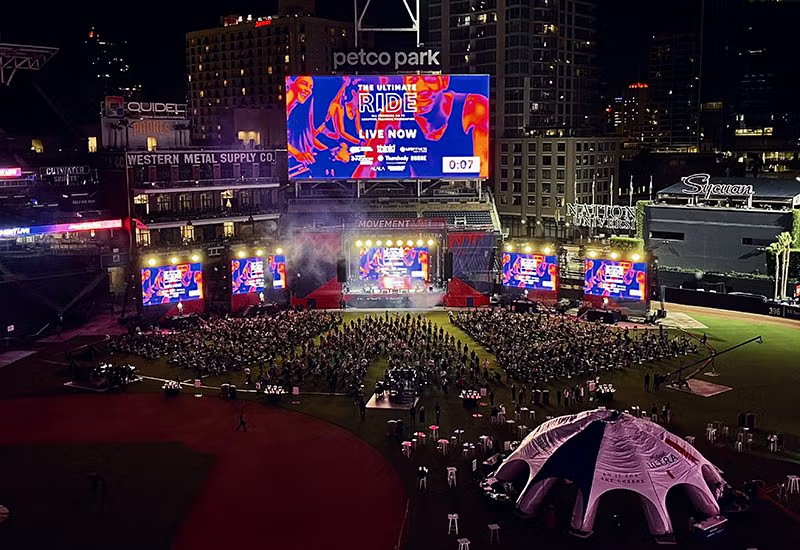
Technical Director on the streaming pipelines for a Samsung Galaxy Unpacked launch, a stadium spin-class with Zedd performing live, a pandemic cooking show shot from a dozen home kitchens, and a dirt-track motorsport series. Multi-source merging, redundant encoding, failover under deadline. The same shape of work I now run for AI infrastructure: many fragile inputs, one clean output, on the clock.
GigCasters is an Austin-based digital video technology and engineering services firm. They run managed live streaming and video-on-demand for content producers: their own platform stack (Hydra for acquisition, Iris for distribution, Flight Deck for content management), plus broadcast engineering services for clients who need a tier-one livestream and don't want to build the chain themselves.
I joined as a Technical Director in July 2020, four months into the global shutdown. Conferences had stopped happening. Concerts had stopped happening. Product launches had nowhere to launch except a livestream. The pivot wasn't subtle. Inside two years, I helped technical-direct a global product launch, a livestream concert series, a culinary livestream, a motorsports series, and several headline DJ sets. All of it ran live. The mistakes you can fix in editing are the ones you can't fix on air.
The discipline transfers. Live broadcast and AI infrastructure run on the same shape: many fragile sources, one output, on the clock. I treat both the same way.
October 20, 2021. Galaxy Z Fold3 and Z Flip3 reveal. The launch went out live across YouTube, Samsung's owned channels, and a Korean social platform with localized subtitles and its own playback infrastructure that we couldn't see, only feed. Multiple broadcast partners contributing to a single output, then a quick-turn VOD pipeline so the audience that missed the live stream caught up the same day. My role: Technical Director on the streaming side. Failure mode: the launch goes dark or stutters, and the news cycle stops being about the new phones and starts being about the broken stream.
Samsung Unpacked is the title that gets the cocktail-party recognition; the rest of the slate is what kept the muscle memory sharp. Live food television, motorsports, headlining DJ sets. Each one is a different broadcast register. Each one has different ways to fail.
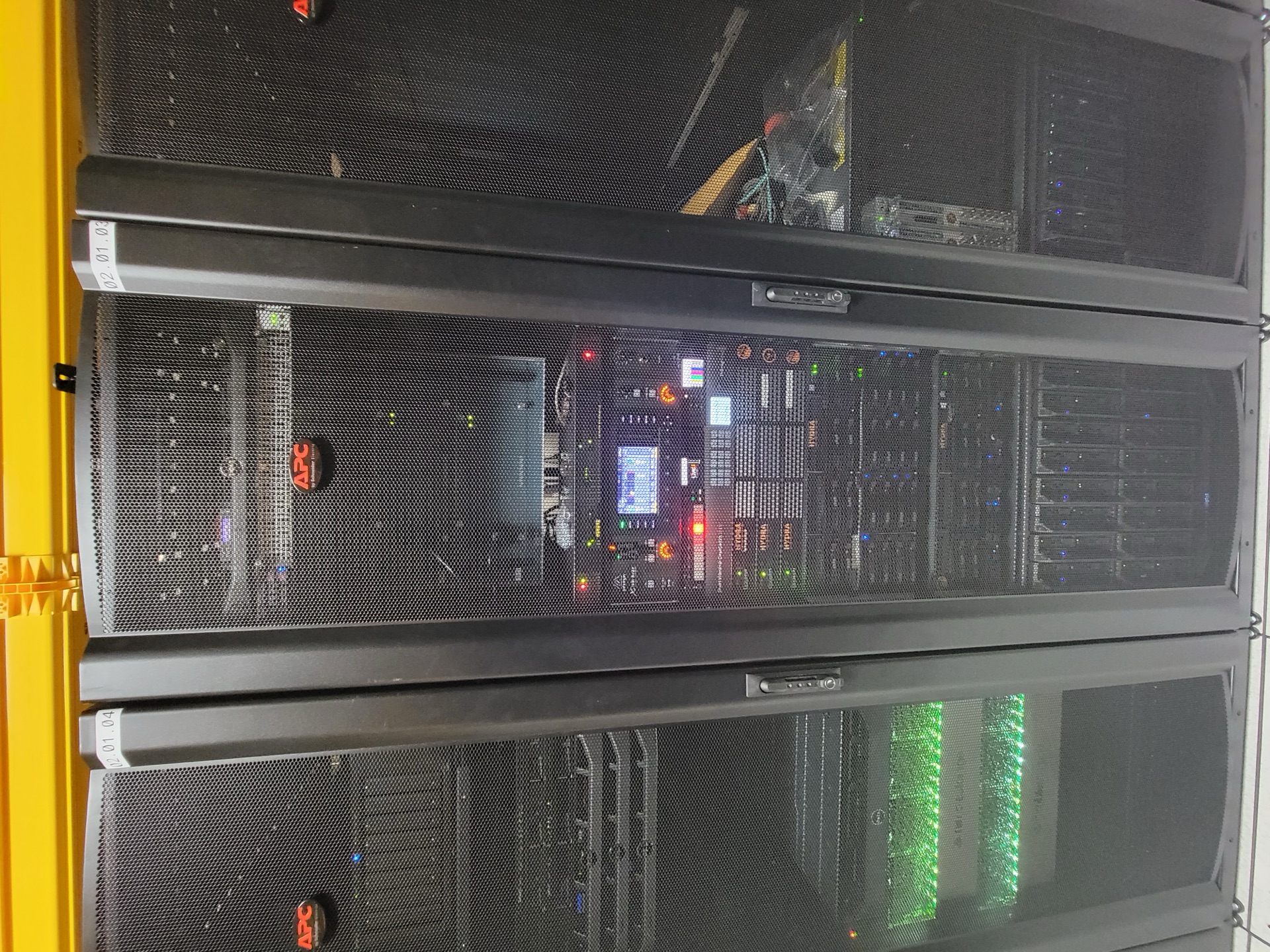
GigCasters' three-product platform on top, the broadcast hardware on the bottom. Owned platform, owned signal chain, the gear at the TD chair that everyone in tier-one production uses.
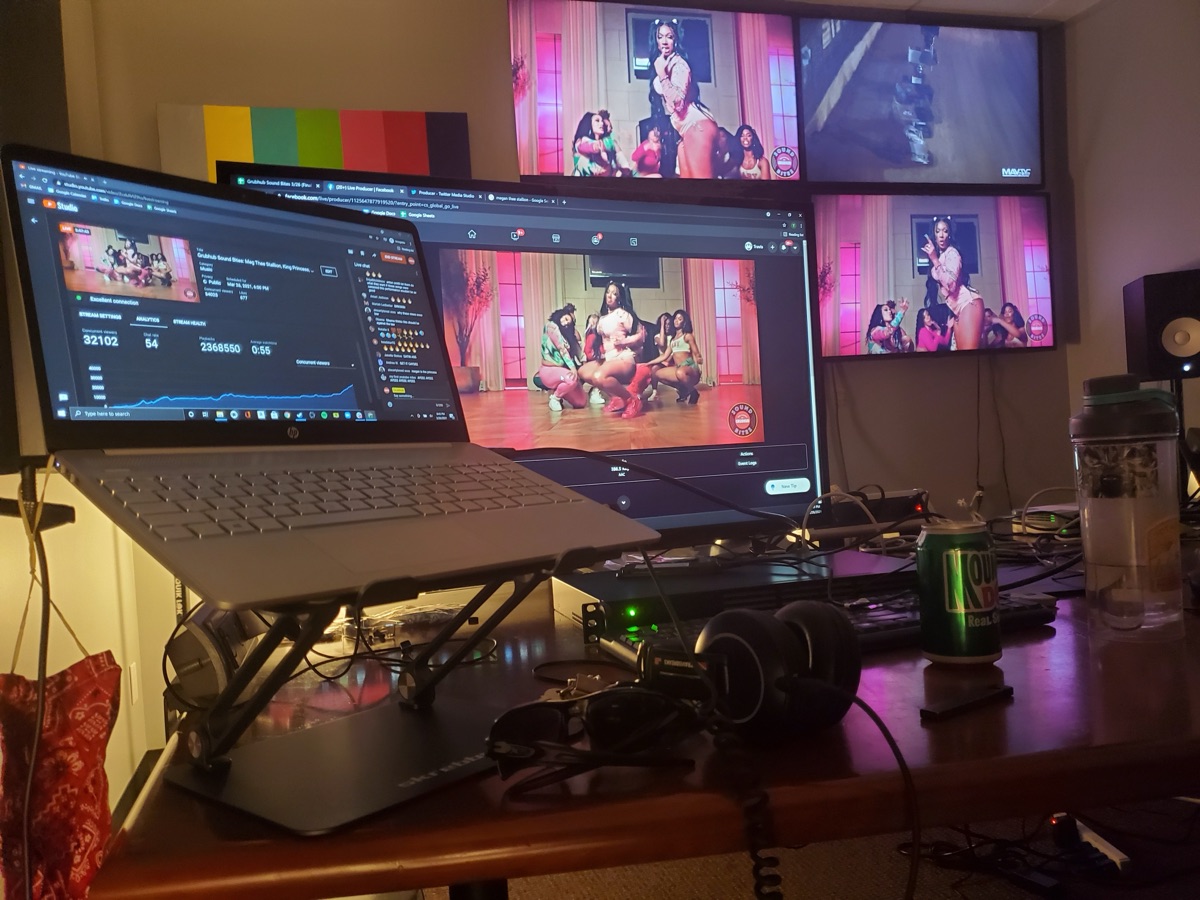
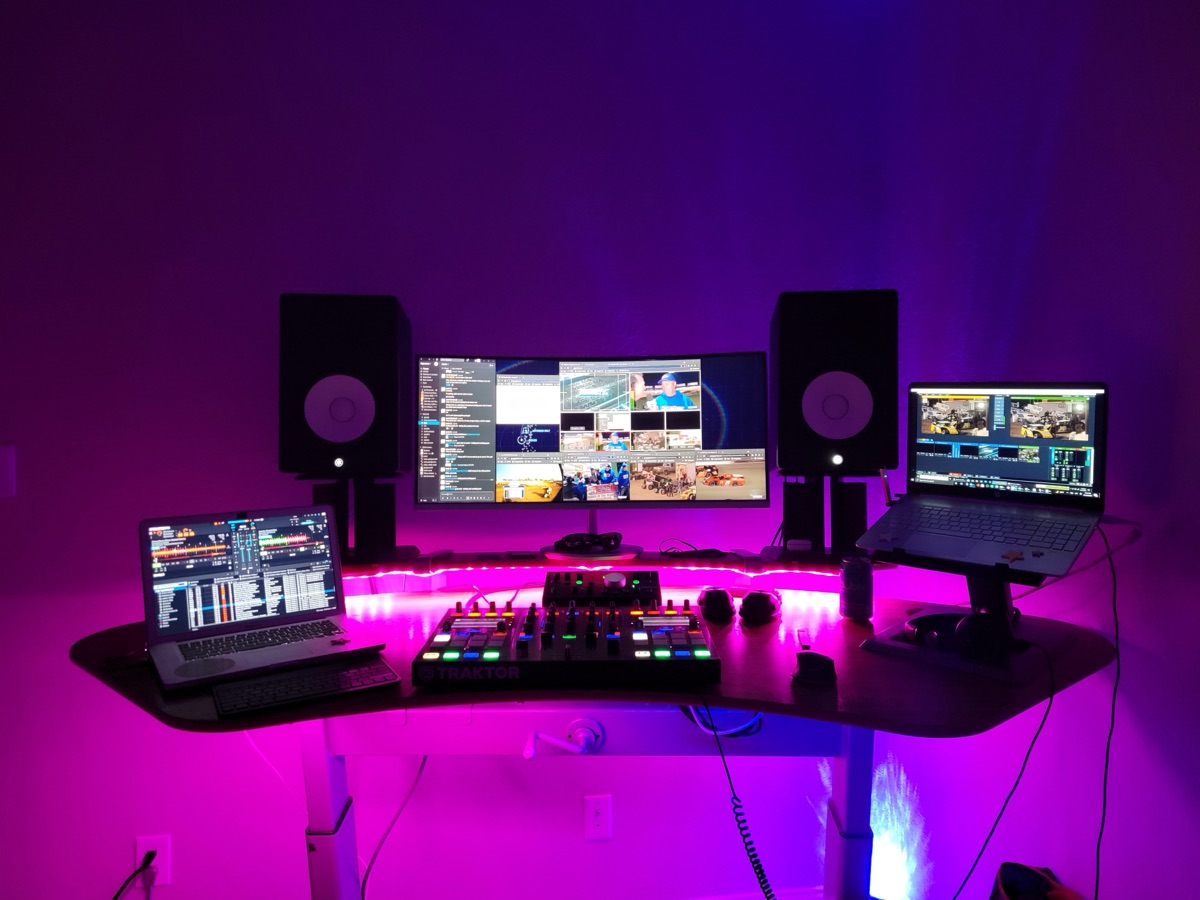
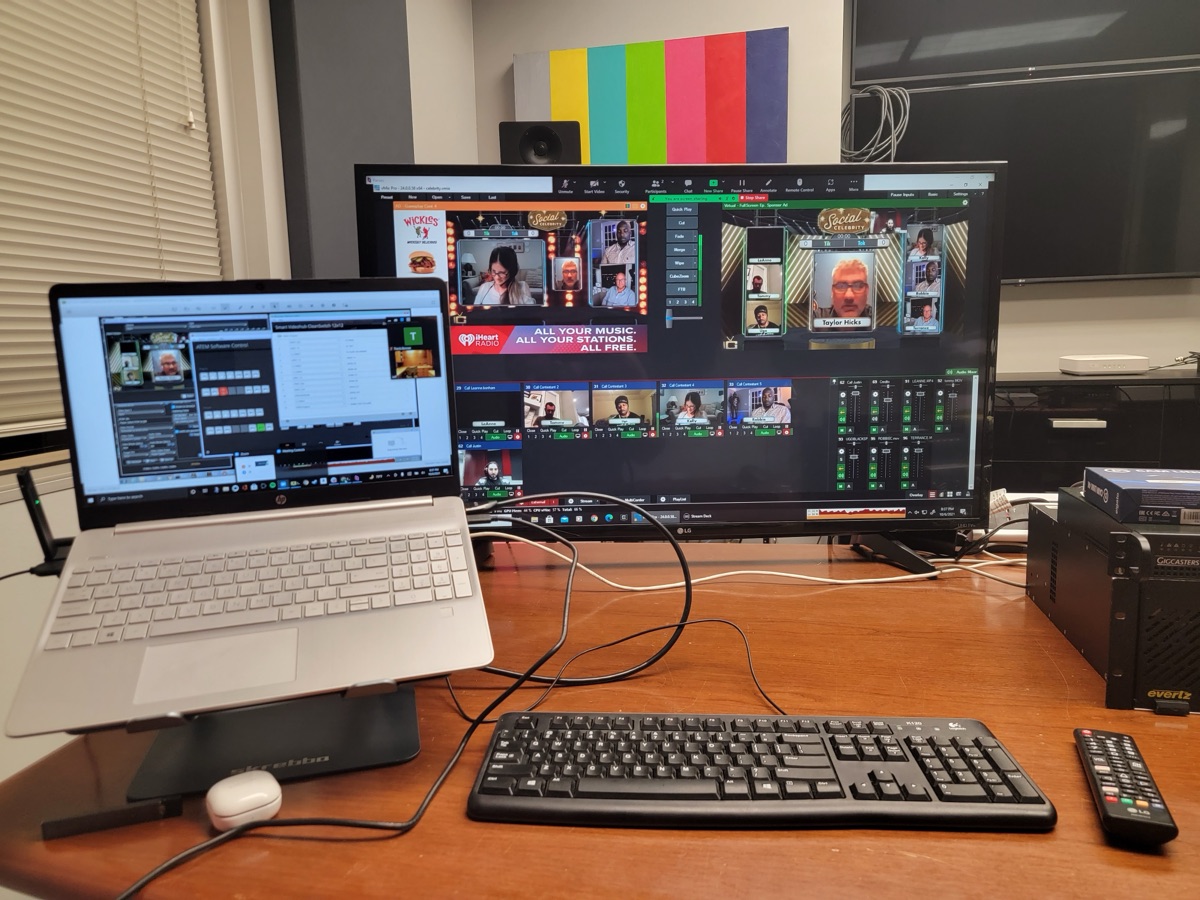
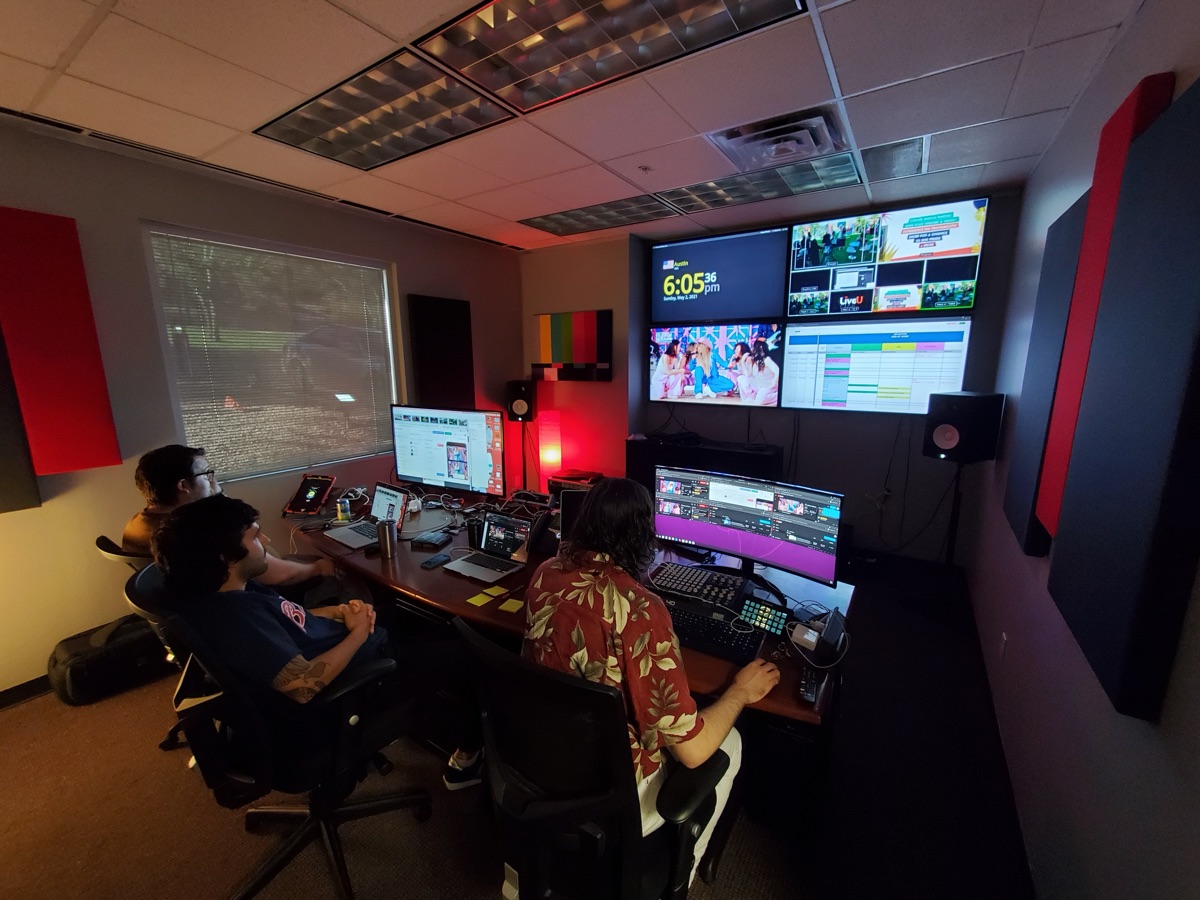
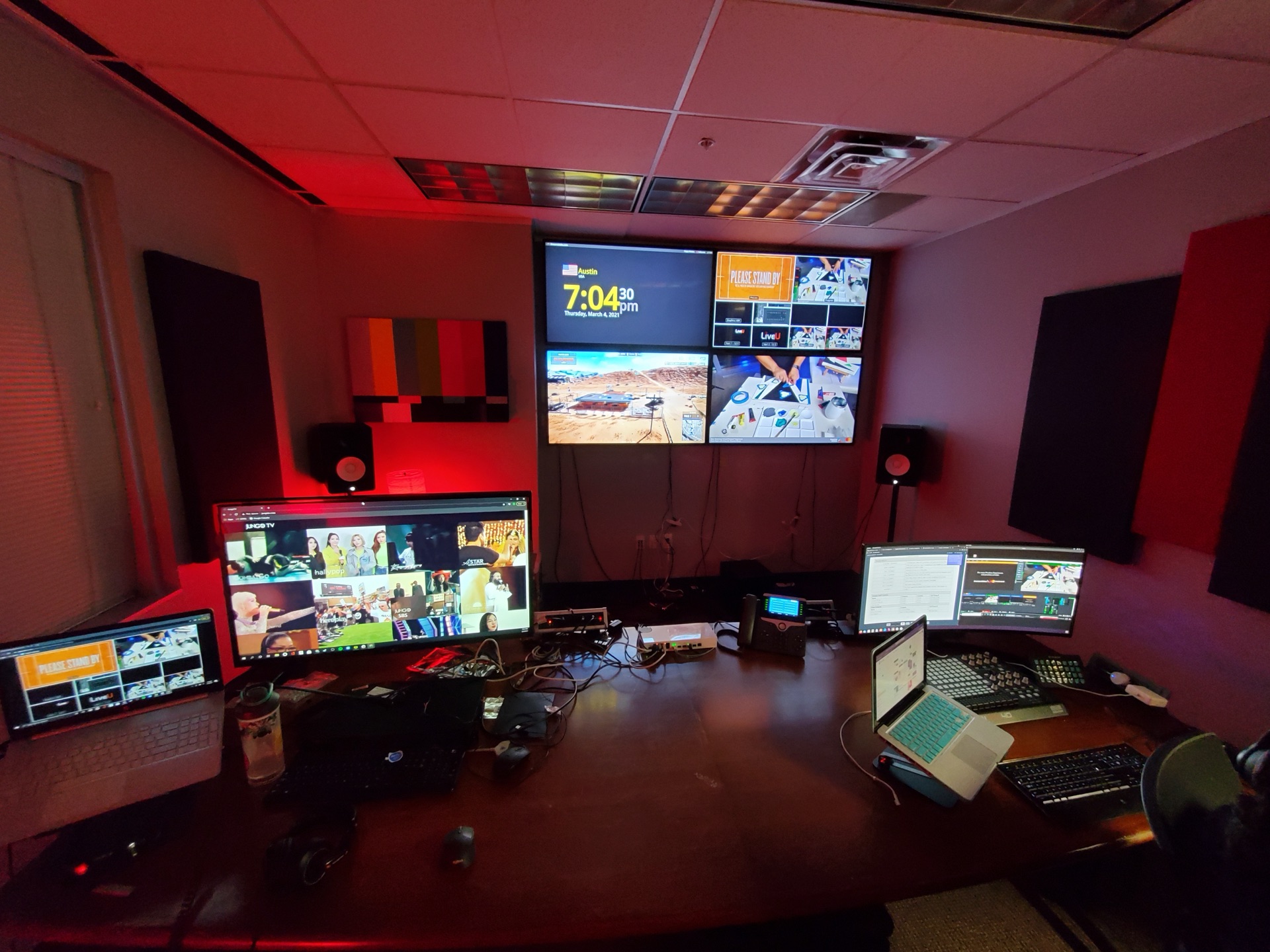
Two full custom racks in the data center. Three to four cameras typical, six or seven feeds when the show needed them. Live cams, pre-recorded inserts, lower thirds, brand bugs in and out. VMix as the live-production switcher and routing brain. OBS for custom encode paths. Blackmagic ATEM as the hardware switching layer. The control room is the thing nobody sees and the thing the entire broadcast depends on.
You can't switch what you can't see.
Live broadcast and AI infrastructure share more than you'd think: both are pipelines of fragile dependencies running under deadline, with no second take when the show goes out. The discipline transfers.
I worked this gig through one of the harder personal stretches of my life. The broadcasts I cut here are some of the cleanest TD work I've done. The wake I left around them is the part I'd run differently.
With distance, the lesson is straight. Protect the work from the rest of your life. Protect the people you work with from the parts of your life you're still figuring out. The signal chain doesn't care what's going on at home. The people on the other end of it sometimes do, and that's the part to manage.